


Here is a game you can play tonight. Put on any episode of Supernatural, The Flash or Timeless shot between 2016 and 2018. Ignore the actors for a minute. Look at the room. The lamp that is slightly too ugly for a motel. The newspaper on the diner table, folded the way a person who has given up folds a newspaper. The wrong mug. The right mug. The family photo on a mantel that belongs to a family you will never meet.
Somebody chose every single one of those things. On a few of those episodes, that somebody was me.
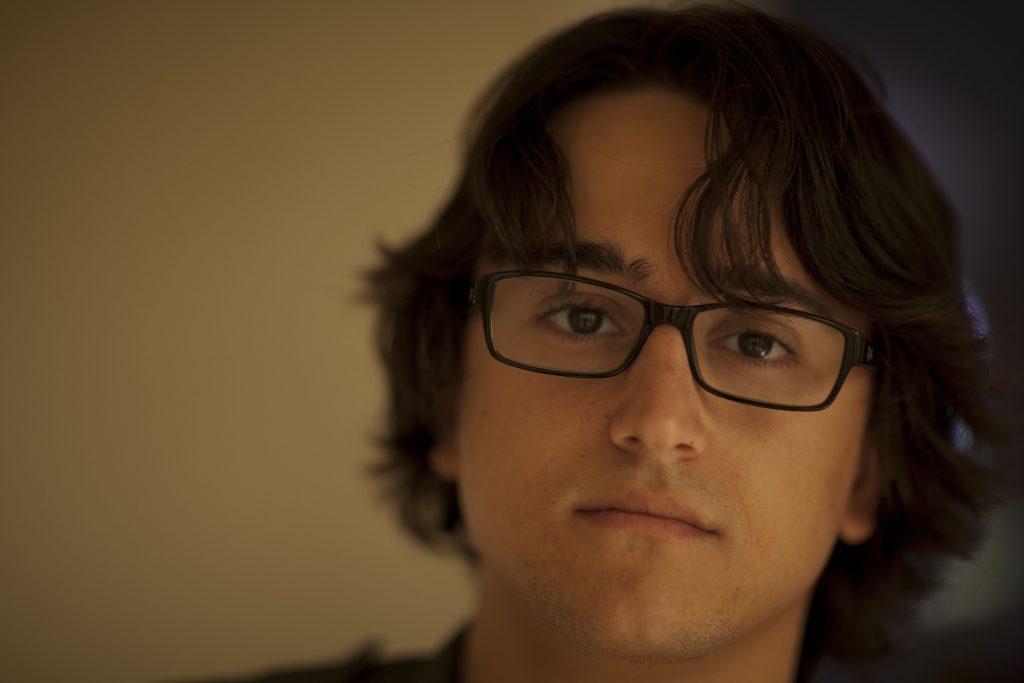
My name is Alper Dama. These days I run a cinematic documentary series about ancient Egypt out of a studio in Dubai, I direct, I produce, and I spend a suspicious amount of time arguing with AI tools about lighting. But before any of that, I was the person in the room before the actors arrived and after they left. This post is about that job, because almost nobody outside the industry knows it exists, and it is still the most useful thing I have ever learned.
First, what does a set decorator actually do?
The production designer dreams up the world. The set decorator furnishes it. Everything you see in the frame that is not a wall and not in an actor’s hand is ours: the furniture, the curtains, the rugs, the books on the shelf and the order they sit in, the fridge magnets, the coffee rings, the one dead plant that tells you nobody in this apartment is doing well. Props are the things actors touch. Set dressing is the thing the world is made of.
It is a team sport. There is a set decorator, a lead, set dressers, buyers who live in prop houses and thrift stores, and a swing gang that moves whole rooms in and out overnight while everybody else sleeps. In British Columbia this is union work. I did it as a permittee with IATSE Local 891, the union that crews most of the big studio productions shooting in British Columbia, which is how a kid from Adana ended up walking onto a Lionsgate soundstage with a tape measure and a very strong opinion about lampshades.
A typical day: call time somewhere around five in the morning. Trucks. A set that has to look lived in by seven, even though it was an empty plywood box at midnight. Then the magic words from the first assistant director, “hot set”, which mean nobody touches anything, because the camera has seen this room now and the room must never change until the scene is done. Then wrap, strike, load the truck, and do it again tomorrow in a different decade.
How a kid from Adana ended up on a Vancouver soundstage
I was born in Adana, in the south of Türkiye, in 1989. After I moved to Vancouver, the first stage I stood on was not a film set, it was the European Festival, singing with the Vancouver Turkish Choir. That was 2009. I have sung on that stage every summer since, which is now seventeen summers and counting, and it is still my favourite kind of nervous.
Acting school came next, in 2011. Then the first on-camera jobs: a valet in King & Maxwell for TNT in 2013, a dancer in Anastacia’s “What Can We Do” video, days on Godzilla. And somewhere in there I became the actor who could not stop noticing the furniture. Through the crew unions, IATSE Local 891 and ACFC West, I crossed over to the other side of the lens. Best decision I made in my twenties.

The credits (IMDb will back me up)
You can check all of this on my IMDb page, which is the one website where nobody can exaggerate.
- Power Rangers (2017, Lionsgate) — set decorator. A studio feature with a nine-figure budget. Seeing a superhero movie from the inside teaches you scale: more trucks, more people, exactly the same rules.
- Supernatural, season 12 (2016, Warner Bros. / The CW) — set decorator, three episodes. Twelve seasons in, that crew was a machine. You learn more in a week there than in a year of film school.
- The Flash, season 4 (2017, Warner Bros. / The CW) — set decorator, two episodes. Comic-book colour palettes, which means every object in the room is a decision about red.
- Timeless, season 2 (2018, Universal Television / NBC) — set decorator, two episodes. Period television. Every decade has its own chairs, and the audience can smell a wrong chair through the screen.
- The Unauthorized Beverly Hills, 90210 Story (2015, Lifetime) — set decorator (IMDb also lists me as an uncredited set dresser on it). Rebuilding the 1990s on a TV-movie budget is a sport.
On the acting side of the page there is the valet in King & Maxwell, a police officer in the short film Heartbreaker, an uncredited bit part in The Marriage Course, standby on Nickelodeon’s One Crazy Cruise, and that Anastacia video. And then there are the days that never made it onto IMDb at all, because that is how film works: set dressing on Fifty Shades Darker and Van Helsing, on-set days on Night at the Museum: Secret of the Tomb. Nobody puts the swing gang in the credits. We know who we are.
Five things the floor taught me
1. Nobody applauds the lamp. If the audience notices your work, you failed. The best set dressing is felt, not seen. That is a strange thing to build a career on, and a wonderful thing to build a character on.
2. Continuity is sacred. Photograph everything. A mug that moves between takes becomes an internet meme that outlives the show. The hot-set rule taught me a kind of respect for other people’s work that I have never found anywhere else.
3. A room is a biography. Before anyone says a line, the audience already knows who lives here, what they lost, what they are pretending. Dress for the character, not for the camera. I still write every script this way: what is on the table tells you who is sitting at it.
4. Budget is a creative tool, not an excuse. Prop houses, thrift stores, tea stains and sandpaper. Limits force choices, and choices are the whole art. I have made more interesting things with a hundred dollars and a deadline than with a blank cheque and a month.
5. Five a.m. builds the only discipline that matters. Show up early. Be kind to the teamsters. Carry something. The crew remembers, and the crew is the industry.

Stage lights and choir nights
Film spoils you with second takes. Theatre does not. In 2016 I founded VITA Theatre Company in Vancouver, and in one busy stretch I directed Brecht’s The Caucasian Chalk Circle, wrote and performed an original play called Lords of the Picnic, and acted in Lion’s Milk. On stage, one set has to work for two hours with no cuts, no coverage and no mercy. Everything the camera forgives, a live audience does not.
And every summer, the choir: same stage, same anthems, same nerves at the same moment before the first note. It is the closest thing I have to a religion that involves microphones.
From soundstages to the Nile, via Dubai
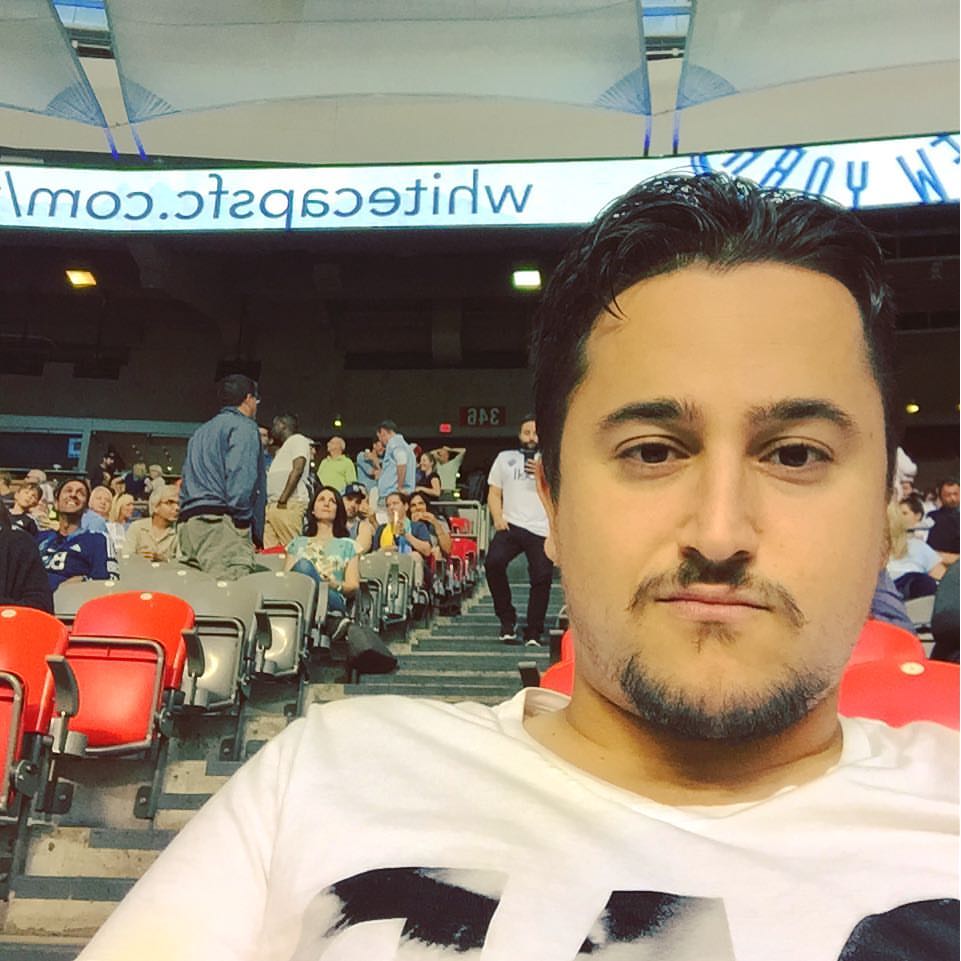
In 2025 I moved the whole operation to Dubai and started Echoes of Egypt, a cinematic documentary series about the ancient world. Seven hundred and fifty episodes later it has more than two hundred thousand followers across YouTube and Facebook and over twenty-eight million views on YouTube alone, and I still approach every frame like a set decorator: what is in it, why is it there, what does it tell you before the narration starts. The tools changed. The prop house is now partly made of software. The job did not change at all.
Then, in December 2025, I went back to the floor. A production in Kaleiçi, the old town of Antalya, needed set decoration, and I said yes before they finished the sentence. Titles are not announced yet, so I will say only this: the call time was still five in the morning and I still had opinions about the chairs.

What’s next
More episodes. More sets. More rooms that tell you who lives in them before anyone says a word. If you are producing in the UAE or Türkiye and need someone who can dress a room, direct a scene and then edit it, my inbox is open. If you are a brand that wants cinema instead of clip art, same inbox.
And if you ever spot a suspiciously perfect coffee mug in a Vancouver-shot show from 2016 to 2018, there is a small but real chance it was me. You’re welcome.
Credits: IMDb · Series: Echoes of Egypt · Instagram: @alperdama · Email: info@alper.ca